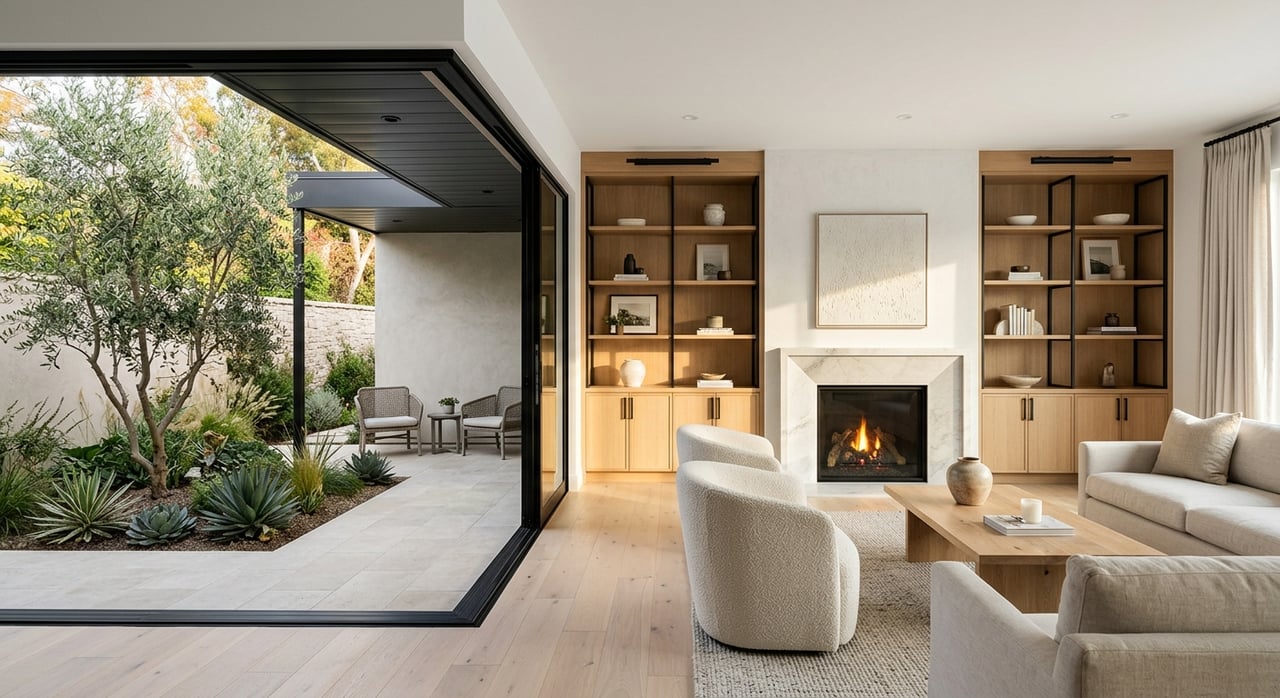
If you’re thinking about listing your Oceanside home right now, you’re probably asking the same question most sellers are: How do you stand out in a market that is active, but not equally strong for every home? That is the right question to ask. In today’s Oceanside market, buyers are still moving, but they are paying close attention to price, presentation, and value. This guide will help you understand what the current data means, how to prepare your home, and what can give your listing an edge. Let’s dive in.
What Today’s Oceanside Market Means for Sellers
Oceanside is not standing still, but it is also not a market where every listing can expect instant offers at any price. Recent data shows an active environment with buyers in the market, balanced by more pricing sensitivity than many sellers expect.
According to Redfin’s Oceanside housing market data, the median sale price was $855,000 in February 2026, homes took about 33 days to sell, and homes received an average of 3 offers. Redfin also reports that 33.8% of homes sold above list price, while 20.2% had price drops, which tells you demand is real but pricing still has to be sharp.
A similar picture appears across other sources. Zillow’s February 2026 snapshot puts the average Oceanside home value at $862,431, with 381 homes for sale, a 30-day median to pending, and a 0.992 sale-to-list ratio. Realtor.com’s Oceanside market page reports a $849.5K median sale price, 38 median days on market, 572 homes for sale, and describes Oceanside as a balanced market.
The takeaway is simple: buyers are active, but they are selective. If you want a strong result, your home has to enter the market with the right price, the right presentation, and a clear strategy from day one.
Why Neighborhood Pricing Matters
One of the biggest mistakes sellers can make is relying too heavily on a citywide average. Oceanside has meaningful price differences by area, and those differences can shape both buyer expectations and days on market.
Realtor.com’s local data shows a wide spread across Oceanside. Downtown Oceanside has a median home price of about $1.2745M with 46 days on market, while 92054 is around $1.23M and 40 days. By comparison, 92056 is about $842.5K and 37 days, 92057 is about $699K and 43 days, and 92058 is about $757.5K with a faster 24 days on market.
That spread matters because buyers do not evaluate every Oceanside home the same way. They compare your home to nearby options with similar location, layout, condition, and lifestyle appeal. A pricing strategy built on neighborhood-specific comparable sales is usually much more reliable than one built on a broad city median.
Timing Your Listing in This Market
Timing still matters, especially in spring, but it should be treated as an advantage rather than a guarantee. If your home is ready, listing in a strong seasonal window can help you capture more attention while buyers are actively watching for new inventory.
According to Zillow’s 2025 seasonality analysis, the San Diego metro area can see its best listing window as early as the second half of March, with a typical-home premium of about 2.0%, or roughly $20,100. That is a useful signal for Oceanside sellers, especially during the spring market.
At the same time, mortgage rates can influence buyer urgency. Zillow notes that rate volatility can disrupt normal seasonal patterns, and that is especially relevant in 2026. Freddie Mac’s Primary Mortgage Market Survey showed the 30-year fixed rate at 6.46% on April 2, 2026, while the California Association of Realtors reported that somewhat better rates helped support February sales and prices before later increases threatened to cool momentum.
If you are deciding when to list, the best answer is usually this: list when your home and pricing strategy are fully ready. Seasonal timing can help, but preparation often matters more than rushing.
Prepare Your Home Before It Hits the MLS
In a market where buyers are comparing value closely, presentation matters. Your home does not need a full renovation to make a strong impression, but it does need to feel clean, intentional, and easy for buyers to picture themselves in.
The National Association of Realtors 2025 Profile of Home Staging found that 83% of buyers’ agents said staging made it easier for buyers to visualize a property as a future home. The same report found that the rooms most commonly staged were the living room, primary bedroom, and dining room.
That gives sellers a clear place to focus. Before listing, prioritize the spaces buyers notice first and the rooms that carry the strongest emotional weight in photos and showings.
What to focus on first
- Declutter surfaces, shelves, and corners
- Remove overly personal or distracting decor
- Use neutral, clean styling where possible
- Refresh the living room, primary bedroom, and dining area first
- Make sure lighting is bright and consistent
- Address small maintenance issues before photos
The same NAR report found a median staging spend of $1,500, and some sellers’ agents reported a 1% to 5% increase in offered value tied to staging. Others saw slightly shorter time on market. For many sellers, that means modest updates and thoughtful staging can deliver more value than expensive pre-list remodels.
Your First Showing Is Usually Online
Today, your listing often makes its first impression on a screen, not at the front door. That means your online presentation is part of your pricing strategy, not just a marketing extra.
NAR’s staging report found that buyers’ agents said buyers typically viewed a median of 20 homes virtually and only 8 in person. That means many buyers are filtering homes out before they ever schedule a showing.
The same report also found that buyers’ agents considered photos, physical staging, videos, and virtual tours to be important listing assets. In practical terms, if your photos are dark, your layout feels unclear, or your description misses the home’s strengths, you may lose attention before buyers even step inside.
Strong Marketing Supports Strong Pricing
Pricing and marketing work together. If you overprice, even excellent marketing may not rescue the listing. If you under-market, even a well-priced home can miss qualified buyers.
The NAR 2025 profile of buyers and sellers found that 91% of sellers used a real estate agent, and the top reasons included help with marketing the home, pricing it competitively, and selling within a specific timeframe. That lines up well with what Oceanside sellers need right now.
This is also a market where serious buyers can move quickly. NAR reports that 26% of purchases were all-cash, and the median down payment was 19%. Even with affordability pressures, some buyers are prepared to act decisively when the right property appears.
At the same time, pricing discipline matters. Redfin shows a 99.1% sale-to-list ratio in Oceanside, Zillow shows 0.992, and C.A.R. reported a 99.3% statewide sale-to-list ratio in February 2026. Those numbers suggest sellers are getting close to asking price when listings are positioned well, but not leaving much room for unrealistic pricing.
Why MLS Exposure Still Matters
If you want the strongest possible reach, broad exposure remains important. Zillow’s market analysis found that homes not listed on the MLS sold for a median 1.5% less.
The same analysis found that homes marketed with high-resolution images, 3D virtual tours, and interactive floor plans sold for 2% more than similar homes. For an Oceanside seller, that is a strong reminder that presentation and distribution can materially affect your result.
A polished listing should help buyers quickly understand three things:
- Where the home sits within Oceanside
- How the layout lives day to day
- What condition and features justify the asking price
That is where a marketing-first approach can make a real difference. Professional visuals, strong MLS exposure, and clear storytelling can help your home compete more effectively in a price-sensitive market.
A Practical Listing Strategy for Oceanside
If you are preparing to sell, the strongest approach usually includes a few core steps.
1. Start with hyper-local comps
Do not rely only on citywide averages. Look closely at recent sales and active competition in your part of Oceanside, including similar homes by size, condition, and location.
2. Prepare before you launch
Decluttering, light staging, and small repairs can improve both online appeal and in-person response. Your goal is to make the home feel clean, bright, and easy to understand.
3. Price for the market you have
Today’s buyers are engaged, but they are watching value closely. A strategic list price can create stronger early interest and reduce the risk of chasing the market with later price cuts.
4. Invest in visual marketing
Professional photography, clear property descriptions, and digital assets like virtual tours can help your home stand out where most buyers begin their search.
5. Launch with intention
The first days on market often matter the most. A strong debut, supported by the MLS and targeted digital marketing, can help build momentum while your listing is still fresh.
Selling in Oceanside With Confidence
Listing your Oceanside home in today’s market is not about guessing. It is about reading the data clearly, understanding how your specific neighborhood compares, and making smart decisions before your home goes live.
This market can reward sellers who take a disciplined approach. When price, presentation, and exposure line up, you give yourself a better chance to attract serious buyers and protect your final sale price.
If you are thinking about your next move, Crown & Coast Properties offers a boutique, partner-led approach with polished marketing, local Oceanside insight, and a strategy tailored to your home and timing.
FAQs
What is the current housing market like for sellers in Oceanside?
- Oceanside appears active but balanced, with median sale prices around the mid-$800,000s, roughly 30 to 38 days on market, and buyers showing strong sensitivity to price and presentation.
How should you price a home when listing in Oceanside?
- You should base pricing on neighborhood-specific comparable sales, active competition, and your home’s condition rather than relying only on a citywide average.
When is the best time to list a home in Oceanside?
- Spring can offer a helpful seasonal advantage, and Zillow’s San Diego analysis points to late March as a strong window, but the best time to list is when your home is fully prepared and your pricing strategy is ready.
Does staging help when selling a home in Oceanside?
- Yes. NAR reports that staging helps buyers visualize the home, and many agents say it can improve offered value or reduce time on market, especially when key rooms are staged well.
Why are professional photos important when listing a home in Oceanside?
- Many buyers view homes online before they book a tour, so strong photography, clean presentation, and clear digital marketing can help your listing earn more attention early.
Should you list your Oceanside home on the MLS?
- Yes. Zillow found that homes not listed on the MLS sold for less on average, making broad exposure an important part of a strong listing strategy.
How long does it take to sell a home in Oceanside right now?
- Recent market reports show homes in Oceanside taking about 30 to 38 days to move from listing to sale activity, though timing varies by neighborhood, price point, and presentation.